Fast dispatch via Prompt XPress
Fast dispatch via PickMe
Fast dispatch via Koombiyo Delivery
Pay with KOKO — Buy now, pay later
Monthly installments on orders over Rs. 10,000
Island-wide delivery
Fast dispatch via Prompt XPress
Fast dispatch via PickMe
Fast dispatch via Koombiyo Delivery
Pay with KOKO — Buy now, pay later
Monthly installments on orders over Rs. 10,000
Island-wide delivery
Why are embossed seals important for official documents?
Embossed seals matter because a raised, three-dimensional impression is far harder to copy, alter or scan than printed ink, so it adds a layer of tamper-evidence and authenticity that ordinary stamps cannot match. At the same time, the tactile, debossed-and-raised mark signals formality and care, which is why certificates, deeds, corporate documents and notarised papers still carry them. In short, an embossed seal gives a document both elegance and a practical security advantage in a single press.
That dual role still has real commercial weight. The global embossing and foil-stamping equipment market was estimated at USD 5.39 billion in 2025 and is forecast to reach USD 7.51 billion by 2030, growing at a 6.86% CAGR, according to Mordor Intelligence — evidence that physical embossing remains a working tool, not a relic.
What is an embossed seal?
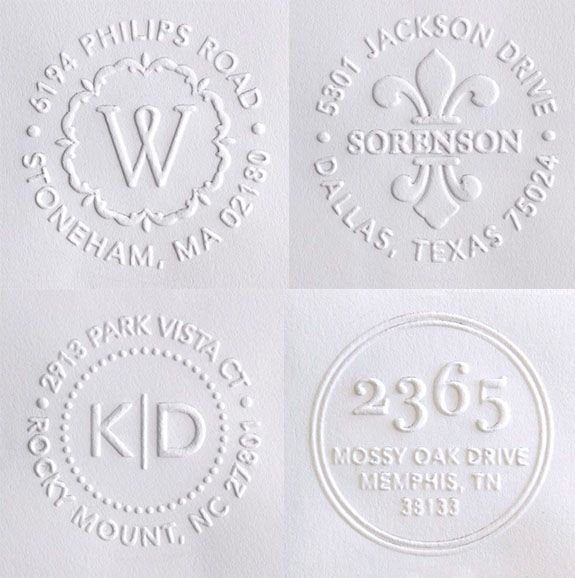
An embossed seal is a raised impression pressed into paper using two interlocking metal dies — a male die and a female die — mounted in a hand press or desk embosser. When you squeeze a sheet between them, the paper fibres are permanently reshaped into a design, usually a company name, monogram, institutional crest or notarial wording arranged in a circle. Unlike a rubber stamp, an embosser uses no ink: the mark is created by deforming the paper itself.
The technique is old. Seals were used to authenticate documents long before printing, and the modern desk embosser simply industrialised that idea. Today the most common notarial embosser produces a circular impression of about 1.625 inches (1⅝ inches, roughly 41 mm) in diameter, a size widely cited for legibility and photographic reproduction, per Engineer Seal Stamps.
How embossed seals improve security and deter fraud
The security value of an embossed seal comes from physics, not just appearance. A raised impression cannot be photocopied or scanned cleanly — the relief flattens out — and any attempt to lift, peel or tamper with a sealed page distorts the impression in a way that is immediately visible and felt by hand.
“The embossed impression is difficult to reproduce, making it more challenging to forge or alter the notarial act.”
That tamper-evidence is increasingly relevant. Document fraud rose to roughly 13.7% of all detected fraud in 2023, almost double the 7.65% recorded a year earlier, according to identity-verification firm Veriff. A physical seal will not stop digital forgery on its own, but on paper originals it remains a low-cost, instantly readable mark of authenticity.
Where embossed seals are used
Legal documents: contracts, deeds, affidavits and notarised papers, where authenticity must be provable.
Corporate use: company common seals, share certificates, letterheads and official board resolutions.
Education and government: diplomas, academic transcripts and certified copies issued by institutions.
Professional practice: seals used by accountants, architects and engineers to certify their work.
How an embossed seal is made
1. Design the die
Your text and logo are converted into a two-part metal die. Detail matters: fine lines and small fonts can fill in on heavier paper, so designs are kept clean and high-contrast.
2. Mount and press
The die is fitted into a desk or pocket embosser. A single firm squeeze forces the paper between the dies, creating the raised impression in one action.
3. Match the paper weight
Embossing reads best on heavier stock. Standard office paper is around 80 gsm, but certificates and seals look crisper on 100–120 gsm or above, where the raised relief holds its shape.
Benefits of using embossed seals
Tamper-evidence: the impression resists clean copying and shows damage if a page is altered.
Durability: because there is no ink, the mark does not fade, smudge or run.
Professional presentation: a tactile crest signals formality and care.
Brand reinforcement: a consistent monogram or logo strengthens identity across documents.
The wider embossing-equipment category — presses and seals — was valued at about USD 1.45 billion in 2025 and is projected to grow at a 5.1% CAGR toward USD 2.15 billion, per Verified Market Reports, reflecting steady demand for these durable tools.
Tips for using embossed seals well
Place the seal in the same position on every document for consistency.
Test on a spare sheet first to check pressure and alignment.
Store the embosser in a dry place to keep the dies clean and sharp.
For very thin paper, add an embossing inker or a white foil label to keep the mark visible.
Where to get embossed seals in Sri Lanka
If you are sourcing an embossed seal in Sri Lanka, officestationery.lk supplies custom embossing seals for businesses, institutions and individuals, with online ordering across the island.
Custom designs: company names, monograms and logos prepared to your artwork.
Online ordering: place your order through the website for delivery.
In-store: visit No: 51/1, St. Michael’s Road, Colombo 03.
What is the difference between an embossed seal and a rubber stamp?
An embossed seal presses a raised, inkless impression into the paper itself, while a rubber stamp transfers ink onto the surface. The embossed mark is tactile and harder to photocopy, which is why it is preferred for documents that need tamper-evidence.
What size is a standard embossed seal impression?
The most common notarial embosser produces a circular impression of about 1.625 inches (1 and 5/8 inches, roughly 41 mm) in diameter, a size chosen for legibility and clean photographic reproduction.
Do embossed seals really help prevent fraud?
Yes, on paper originals. A raised impression resists clean copying and distorts visibly if a page is tampered with. It does not protect against digital forgery, which is why it is best used on signed physical documents.
What paper weight works best for embossing?
Heavier stock gives a crisper, longer-lasting relief. Standard office paper is around 80 gsm, but certificates and sealed documents look sharper on 100 to 120 gsm paper or above.
Where can I buy a custom embossed seal in Sri Lanka?
officestationery.lk supplies custom embossing seals with online ordering across Sri Lanka. You can order on the website, call 071 888 1111, or visit the store at No: 51/1, St. Michael’s Road, Colombo 03.
 Fast dispatch via Prompt XPress
 Fast dispatch via PickMe
 Fast dispatch via Koombiyo Delivery
 Pay with KOKO — Buy now, pay later
 Monthly installments on orders over Rs. 10,000
 Island-wide delivery